How to Improve Local Visibility Without Paid Ads: A Practical Guide for Businesses
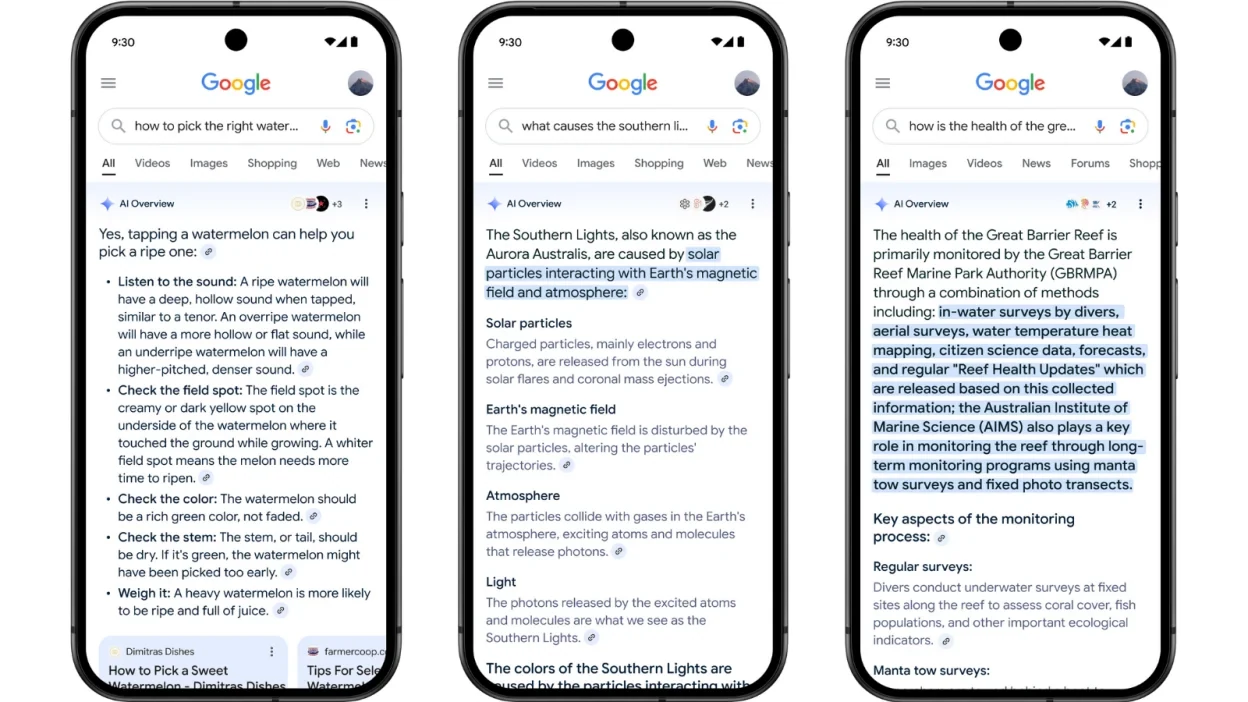
Local visibility is no longer limited to ranking on the first page of traditional search results. Today, potential customers may discover a business through Google Search, Google Maps, Google Business Profiles, AI-generated search results, voice searches, local directories, review platforms, and recommendations generated by AI-powered search tools. This means businesses have more opportunities to get discovered—but they also need to manage their digital presence more carefully. The good news...
Local visibility is no longer limited to ranking on the first page of traditional search results.
Today, potential customers may discover a business through Google Search, Google Maps, Google Business Profiles, AI-generated search results, voice searches, local directories, review platforms, and recommendations generated by AI-powered search tools.
This means businesses have more opportunities to get discovered—but they also need to manage their digital presence more carefully.
The good news is that improving local visibility does not always require a large advertising budget.
A strong organic strategy can help businesses appear more consistently when people search for relevant products or services in their area. The foundation usually involves a combination of local SEO, accurate business information, helpful website content, customer reviews, Google Business Profile activity, and a broader digital marketing strategy.
How to Improve Local Visibility Without Paid Ads
To improve local visibility organically, focus on the following areas:
Keep your business name, address, and phone number consistent across the web.
Fully optimize your Google Business Profile.
Encourage genuine customer reviews and respond to them professionally.
Publish useful Google Business Profile posts.
Create locally relevant and search-focused website content.
Build clear service and location pages where appropriate.
Earn relevant local mentions and backlinks.
Structure content so search engines and AI-powered tools can understand it.
Regularly monitor your local search performance and business information.
The goal is not simply to appear everywhere. It is to provide consistent, trustworthy, and useful information wherever potential customers may look.
1. Start With a Strong Local SEO Foundation
Local SEO helps businesses improve their visibility when people search for products or services connected to a specific geographic area.
For example, someone may search for:
“digital marketing agency near me”
“SEO services in Chicago”
“best local coffee shop in Austin”
“plumber open now near me”
Search engines try to identify which businesses are most relevant to the search, location, and intent behind that query.
Get Free SEO Audit
Your website, Google Business Profile, online mentions, reviews, and business information can all contribute to how easily search engines understand your business.
A good starting point is to make sure your website clearly communicates:
What your business does
Which products or services you offer
Where you operate
Which locations or service areas you serve
How customers can contact you
Avoid relying on vague marketing language alone. Search engines, AI systems, and potential customers should be able to quickly understand what your business actually offers.
For example, a page that simply says, “We help businesses grow,” provides very little context.
A clearer alternative might explain:
DataSoar provides digital marketing and local SEO strategies designed to help businesses strengthen their online visibility and reach relevant customers.
Specific information improves clarity for both users and search systems.
2. Keep Your NAP Information Consistent
NAP stands for:
Name
Address
Phone number
NAP consistency remains an important part of managing a local digital presence.
Your business details should be accurate and consistent across major platforms, directories, social profiles, mapping services, and other websites where your company is listed.
Small differences may seem harmless, but inconsistent information can create confusion.
For example:
ABC Digital Marketing LLC
ABC Digital Marketing
ABC Digital
ABC Digital Marketing Agency
These variations may not always create a problem, but unnecessary inconsistencies make it harder to maintain a clean and reliable business presence.
The same applies to addresses, suite numbers, phone numbers, business hours, and website URLs.
A simple NAP consistency checklist
Review your business information across:
Google Business Profile
Your website
Major business directories
Social media profiles
Industry-specific directories
Local chambers or business organizations
Review platforms
If your business moves, changes its phone number, or updates its branding, update those details as quickly as possible.
Consistency helps customers trust that they have found the correct business and gives search engines clearer information about your entity.
3. Optimize Your Google Business Profile
Your Google Business Profile is often one of the first places potential customers encounter your business.
For local searches, the profile may appear in Google Search or Google Maps before a user even visits your website.
A complete profile should accurately include:
Business name
Primary and relevant secondary categories
Business description
Website
Phone number
Address or service area
Business hours
Products or services
Photos
Customer reviews
Optimization should focus on accuracy rather than trying to force keywords into every field.
For example, choosing appropriate business categories and clearly listing relevant services can help Google better understand what your business offers.
Businesses should also review their profiles regularly. Outdated hours, old photos, broken links, or incorrect services can negatively affect the customer experience.
4. Publish Google Business Profile Posts
Google Business Profile posts can provide another way to keep your local presence active and informative.
Depending on your business and available features, posts may be used to share:
Service updates
Educational content
Seasonal information
New offerings
Events
Promotions where appropriate
Business announcements
The best GBP posts answer a useful question or communicate something relevant to potential customers.
For example, instead of posting:
We offer SEO services. Contact us today!
A more useful post might explain:
Local SEO involves more than adding location keywords to a website. Businesses also need accurate business information, relevant local content, review management, and a well-maintained Google Business Profile.
This approach gives users helpful information while naturally reinforcing the services your business provides.
Regular posting also creates more opportunities to keep business information current.
5. Encourage Genuine Google Reviews
Reviews can influence how potential customers evaluate a local business.
They also provide useful signals about customer experiences and may contain naturally occurring language related to your products, services, and locations.
The key word is genuine.
Do not offer fake reviews or pressure customers to leave specific wording. Instead, make it easy for satisfied customers to share an honest experience.
You can request reviews through:
Follow-up emails
Thank-you messages
Customer service communications
QR codes in appropriate locations
Post-service follow-ups
A simple request may be enough:
Thank you for choosing us. If you would like to share your experience, we would appreciate an honest Google review.
Responding to reviews also matters
Review responses allow businesses to:
Thank customers
Address concerns professionally
Reinforce relevant services naturally
Demonstrate that the business is active
Avoid copying the same response to every customer.
A personalized response is more useful than repeatedly saying:
Thank you for your five-star review!
Where relevant, mention the actual service the customer used. This creates a more natural and informative response.
Strengthen Your Local Search Strategy
Improving local visibility involves multiple connected factors, from business listings and reviews to website content and AI search readiness.
If your business needs a clearer strategy for managing these areas, DataSoar’s digital marketing services can help you identify opportunities to strengthen your online presence.
6. Create Content That Answers Local Customer Questions
One of the most effective ways to improve organic visibility is to create content based on real questions potential customers ask.
This can include:
Service pages
Location pages
FAQs
Buying guides
Comparison articles
Problem-solving articles
Industry insights
For example, a local digital marketing company could create content around questions such as:
How can small businesses improve local search visibility?
What is the difference between SEO and local SEO?
How often should a business update its Google Business Profile?
Why is NAP consistency important?
How do Google reviews affect customer trust?
These topics can attract users earlier in the research process while demonstrating relevant expertise.
The goal is not to create hundreds of articles targeting slight keyword variations. Instead, build useful content that addresses meaningful search intent.
Get Free SEO Audit
7. Prepare Your Content for AI SEO and Generative Search
Search is changing.
People increasingly use AI-powered search experiences to ask complete questions rather than entering only short keywords.
Instead of searching:
local SEO agency
A user may ask:
How can I improve my local business visibility without spending money on Google Ads?
This shift makes clarity and context increasingly important.
AI SEO, sometimes associated with AIO or generative engine optimization (GEO), involves making your content easier for AI-powered systems to understand, evaluate, and potentially reference.
How to make content more AI-friendly
Focus on:
Clear answers to specific questions
Descriptive headings
Well-structured information
Accurate facts
Relevant examples
Strong topical coverage
Consistent entity information
Clear relationships between services, locations, and expertise
A page should not require an AI system—or a human reader—to guess what the business does.
Example
Less clear:
We provide innovative solutions for modern companies.
More useful:
DataSoar provides digital marketing services that can include SEO, local SEO, content strategy, and other strategies designed to improve online visibility.
The second example contains clearer contextual information.
This is useful for traditional SEO, answer engines, AI search tools, and human visitors.
8. Use an AI Capsule or Concise Answer Section
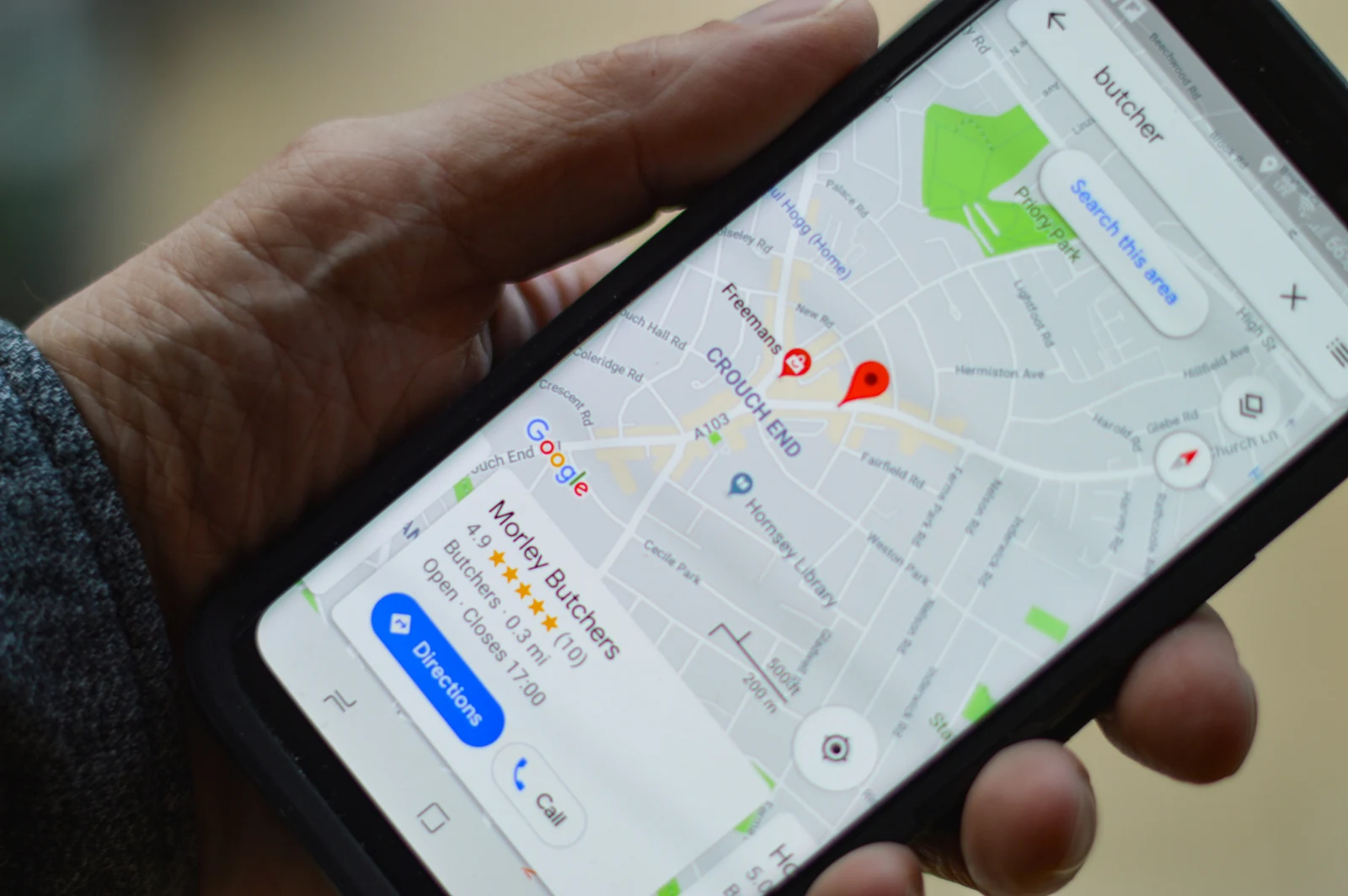
A concise answer section near the beginning of an article can help users quickly understand the main topic.
For this article, an AI-friendly answer could be:
How can businesses improve local visibility without paid ads? Businesses can improve local visibility organically by optimizing their Google Business Profile, maintaining consistent NAP information, earning genuine customer reviews, publishing helpful local content, building relevant local authority, and ensuring their website provides clear information about its services and locations.
This type of concise summary can support answer engine optimization because it provides a direct response before expanding on the topic in greater detail.
It should not replace comprehensive content. Instead, it gives both users and search systems a clear starting point.
9. Build Local Authority Through Relevant Mentions and Links
Links and mentions from relevant websites can help strengthen your overall digital presence.
However, quantity alone should not be the objective.
A few relevant mentions from legitimate local or industry websites may be more valuable than a large number of low-quality links.
Potential opportunities include:
Local business organizations
Chambers of commerce
Industry publications
Community websites
Relevant business directories
Partnerships
Local events
Professional organizations
For businesses developing a broader strategy, it can also be helpful to review guidance from Google Search Central on building helpful, search-friendly content.
The focus should remain on relevance and credibility rather than artificial link-building tactics.
10. Make Your Website Easy to Understand
A technically functional website is important, but content clarity also matters.
Visitors should be able to answer several questions quickly:
What does this business do?
Who is it for?
Where does it operate?
What should I do next?
Clear navigation can help users find:
Services
Locations
About information
Reviews or testimonials
Contact details
Educational resources
Internal links are also important.
For example, a blog article about improving local visibility can link naturally to:
A local SEO service page
A Google Business Profile optimization service
A related article about digital marketing strategy
Avoid generic one-word links such as “here” or “more.”
Instead, use descriptive anchor text that explains what users can expect after clicking.
For example:
Learn more about building a long-term local SEO strategy for business visibility.
11. Compare the Main Organic Visibility Strategies
Strategy | Main Purpose | Long-Term Value | Requires Paid Ads? |
Local SEO | Improve visibility for location-based searches | High | No |
Google Business Profile | Improve presence in Google Search and Maps | High | No |
Google Reviews | Build trust and provide customer feedback | High | No |
NAP Consistency | Maintain accurate business information | High | No |
Content Marketing | Answer customer questions and build topical relevance | High | No |
GBP Posts | Share timely business and service updates | Medium to High | No |
Local Link Building | Build authority through relevant mentions | High | No |
AI SEO / GEO | Improve content clarity for evolving search experiences | Increasingly important | No |
These strategies work best when they support each other.
For example, publishing helpful local content can strengthen your website, while a well-maintained Google Business Profile helps customers discover and verify your business.
12. Track What Is Actually Improving
Organic visibility strategies require monitoring.
Useful metrics may include:
Organic website traffic
Local keyword visibility
Google Business Profile views
Website clicks
Phone calls or enquiries
Direction requests
Review growth
Conversion events
Pages generating qualified traffic
Do not focus only on rankings.
A keyword position may improve without generating meaningful business results, while a page with lower traffic may generate highly qualified leads.
A stronger digital marketing strategy connects visibility to meaningful actions.
Get Free SEO Audit
Common Questions About Improving Local Visibility
How long does it take to improve local SEO?
The timeline varies depending on your competition, current website quality, business location, online presence, and the work required. Some improvements, such as correcting business information, may take effect relatively quickly, while building stronger organic visibility usually requires consistent effort over time.
Are Google reviews important for local visibility?
Google reviews can help potential customers evaluate a business and provide additional information about customer experiences. Businesses should focus on earning genuine reviews and responding professionally rather than attempting to manipulate ratings.
How often should I post on my Google Business Profile?
There is no single posting frequency that works for every business. The priority should be publishing useful and relevant updates consistently enough to keep the profile current.
What is NAP consistency?
NAP consistency refers to keeping your business name, address, and phone number accurate and consistent across your website, Google Business Profile, directories, and other online platforms.
What is AI SEO?
AI SEO generally refers to strategies that help content remain understandable and useful in AI-powered search experiences. This includes clear answers, strong topical coverage, accurate information, structured content, and clear descriptions of entities, services, and relationships.
Can a business improve visibility without running Google Ads?
Yes. Businesses can improve organic visibility through local SEO, Google Business Profile optimization, customer reviews, content marketing, local authority building, and consistent business information. These strategies generally require time and ongoing effort rather than direct advertising spend.
Final Thoughts
Learning how to improve local visibility without paid ads is not about finding one shortcut.
It requires building a reliable digital presence that search engines, AI-powered tools, and potential customers can understand and trust.
Start with the fundamentals:
Accurate business information
A complete Google Business Profile
Genuine customer reviews
Helpful GBP posts
Strong local SEO
Useful website content
Clear internal linking
Relevant local authority
AI-friendly, answer-focused content
As search continues to evolve, businesses that provide clear, useful, and consistent information across their digital presence will be better positioned to remain discoverable.
The strongest organic strategies are usually not based on chasing individual ranking factors. They focus on making it easier for the right customers—and the systems helping those customers search—to understand what your business offers and why it is relevant.